The Complete Guide to E-Waste Recycling: Why It's Important and How to Begin
Electronic waste recycling represents a critical yet frequently neglected component of contemporary sustainability. With technology evolving rapidly, millions of tons of electronic waste accumulate each year, posing significant environmental risks. Understanding the nuances of e-waste disposal can empower individuals to make informed choices. This resource not only details efficient recycling methods but also examines the wider consequences for both the environment and economy. The path to accountable e-waste management starts with several key actions.
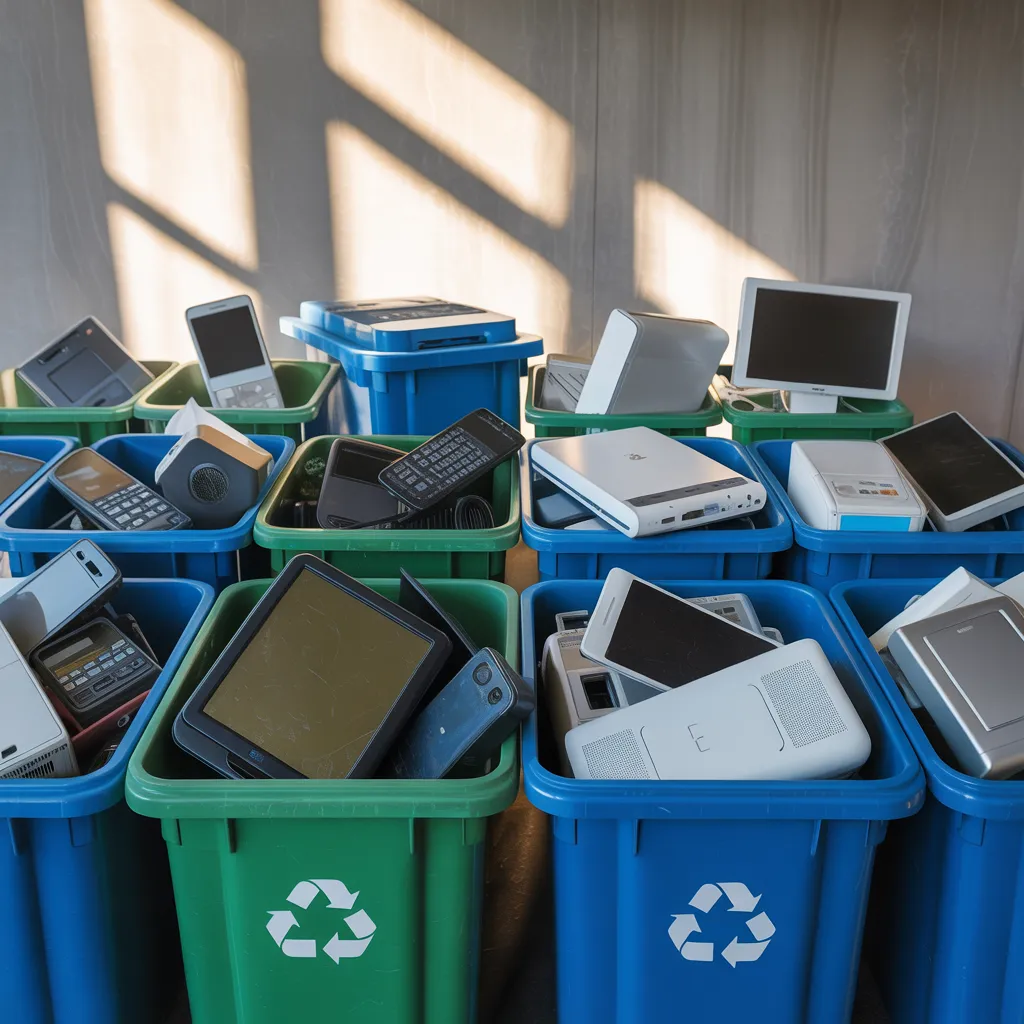
Key Things to Know About E-Waste
E-waste, also referred to as electronic waste, describes abandoned electrical and electronic devices, and recognizing its significance is crucial in today's technology-driven world. The swift development of technology has caused a considerable surge in e-waste accumulation, with vast quantities measured in millions of tons created every year. This waste often contains hazardous materials such as lead, mercury, and cadmium, creating substantial environmental and public health dangers if not disposed of correctly.
Moreover, precious resources like copper, gold, and rare earth minerals are found within these electronic devices, which can be recovered through recycling processes. Yet, a significant amount of e-waste accumulates in landfills, exacerbating pollution and resource depletion. Awareness of correct disposal practices and the importance of recycling can reduce these concerns, encouraging a more eco-friendly strategy for technology consumption. Understanding e-waste is necessary for encouraging accountable habits and advancing successful recycling programs within neighborhoods.
Your Initial Steps to E-Waste Recycling
Taking the initiative to recycle electronic waste can significantly influence environmental health and individual responsibility. To start, one should take stock of their unused or damaged electronic devices, organizing devices such as smartphones, laptops, and printers. This step helps in understanding the volume of Begin here e-waste that needs addressing. Furthermore, exploring nearby recycling options is important. A variety of communities host specific drop-off sites or organized collection events for e-waste.
Users should also educate themselves about which items are recyclable and which are not, as rules differ depending on the area. Upon finding the right recycling options, carefully securing the items for transportation guarantees safety and minimizes damage. In conclusion, one should monitor the recycling process, verifying that certified recyclers manage the e-waste. By implementing these foundational actions, users support a more environmentally responsible world while handling their electronic waste with care.
The Ecological Effects of E-Waste Recycling
Despite being frequently ignored, the ecological consequences of recycling electronic waste is deep and wide-reaching. Appropriate recycling of electronic waste aids in preventing hazardous materials, such as lead, cadmium, and mercury, from polluting soil and water supplies. Such hazardous materials can lead to significant health dangers for both humans and wildlife. By choosing to recycle, critical raw materials like gold, silver, and copper are salvaged, minimizing the reliance on mining and reducing the total carbon footprint associated with resource extraction.
In addition, proper e-waste recycling reduces landfill consumption, where breaking down electronics discharge dangerous chemicals. It supports a circular economy through the advancement of sustainable methods, encouraging manufacturers to design products with recyclability in mind. Moreover, recycling helps lower greenhouse gas emissions by cutting energy use relative to manufacturing new materials. In summary, the ecological advantages of e-waste recycling highlight its vital importance in fostering a healthier planet and guaranteeing responsible stewardship of electronic resources.
Economic Gains from E-Waste Recycling
Electronic waste recycling offers considerable economic benefits, especially in terms of workforce development and resource reclamation. Through the development of recycling centers, local communities can create job openings while supporting eco-friendly initiatives. Additionally, reclaiming precious materials from e-waste reduces the need for new resource extraction, resulting in substantial financial savings.
Work Creation Possibilities
Processing e-waste not only tackles environmental issues but also acts as a driving force for employment growth. The e-waste management industry produces diverse work opportunities, extending from collection and organization to refurbishing and reprocessing electronic goods. As the need for eco-friendly methods increases, this industry is developing rapidly, calling for qualified professionals in technology, engineering, and supply chain management. Surrounding economies prosper as new positions are regularly established in regions experiencing significant unemployment, encouraging local growth. Moreover, companies engaged in electronic waste recycling are able to encourage creativity and new ventures, nurturing a sustainable economic model. By supporting e-waste efforts, governing bodies and enterprises not only champion environmental responsibility but also bolster economic stability through valuable work opportunities.
Resource Recovery Savings
The e-waste recycling industry not only generates employment but also provides substantial financial benefits by means of resource recovery savings. By reclaiming valuable materials such as gold, silver, and copper from discarded electronics, recycling reduces the demand for raw resource extraction, which is often costly and environmentally damaging. This method decreases operational expenses for manufacturers, which in turn leads to more affordable pricing for consumers. Additionally, the energy efficiencies gained through e-waste recycling can be considerable, decreasing operational costs for businesses and improving overall economic efficiency. Beyond this, as worldwide demand for electronic products keeps growing, streamlined resource reclamation from e-waste becomes progressively vital for supporting supply chains and bolstering economic stability. As a result, electronic waste recycling represents a wise investment for both economic and environmental well-being.
How to Recycle Your Old Electronics
Unsure about where to recycle your obsolete electronic devices responsibly? Numerous options exist for recycling old devices, providing both environmental benefits and the reclamation of useful resources. Nearby recycling facilities frequently take in a broad range of electronic items, such as laptops, mobile phones, and televisions. Several cities and towns also arrange scheduled e-waste drop-off events, offering an easy and accessible method for community members to dispose of electronics responsibly.
Major retailers like Best Buy and Staples provide take-back initiatives, allowing customers to return old electronics when purchasing new ones. A number of manufacturers have established mail-in recycling initiatives, allowing customers to ship their old electronics straight to dedicated recycling centers. Non-profit organizations may also accept donations of functioning electronics, increasing the longevity of these products while advancing local community efforts.
Dispelling Common Misconceptions About E-Waste Recycling
Despite the common belief that e-waste recycling is ineffective, the reality is that effectively run operations can significantly minimize environmental harm. A widespread myth is that e-waste is deposited in landfills regardless of recycling efforts. In truth, credible recycling operations extract valuable materials and responsibly eliminate hazardous components.
One popular myth states that disposing of electronics through recycling is too difficult or pricey. Nevertheless, many local programs offer free drop-off services, allowing everyone to participate with ease. Some also provide convenient pickup options.
Furthermore, many people believe that every piece of e-waste is recyclable, but certain items are not eligible for recycling because of the particular materials they contain. Familiarizing yourself with local regulations is crucial.
Finally, it is widely believed that e-waste recycling fails to generate job creation. In reality, the recycling industry produces thousands of positions, benefiting the economy while supporting environmental sustainability. By addressing these misconceptions, consumers can develop a clearer understanding about e-waste recycling.
Frequently Asked Questions
Is It Possible to Recycle Batteries With My E-Waste?
Batteries must not be disposed of alongside e-waste. They must be handled separately because of the hazardous materials they contain. Suitable disposal choices encompass designated recycling facilities or scheduled collection events tailored for batteries, promoting safe and environmentally responsible handling.
What Happens to My Data During Recycling?
During recycling, sensitive data on devices can be compromised without proper erasure. Reputable recycling facilities use specialized methods to ensure total data elimination, protecting sensitive data from possible retrieval or misuse.
Are E-Waste Recycling Practices Governed by Law?
Electronic waste recycling is subject to various laws and regulations that change depending on region and country. These rules seek to guarantee safe disposal, protect the environment, and manage hazardous materials effectively within the recycling process.
Are There Fees for Recycling Electronics?
A number of electronics disposal facilities may assess charges for processing items, most notably for certain types like televisions and computer monitors. That said, certain centers provide free recycling, often funded by manufacturer-sponsored programs or local programs promoting responsible disposal.
How Do I Encourage E-Waste Recycling in My Local Community?
To advance e-waste recycling in the community, organizations can arrange outreach campaigns, work alongside local businesses to host disposal events, and leverage social media to post helpful content about environmental advantages and correct disposal techniques.